brand bias: vera neumann

Long before Lilly, Tory and Kate, there was Vera.

Brand Name: The Vera Company

Years in business: 1946-present day

Headquartered: Ossing, New York

8 Things You Should Know About Vera Neumann

The brand’s namesake creator, Vera Neumann (née Salaff), was born in 1907 in Stamford, Connecticut. Bolstered by her parents encouragement, she pursued her passion—drawing and painting—getting formal training at The Cooper Union for the Advancement of Science and Art and the Traphagen School of Design.

In 1938, she met and married George Neumann, who had a background in textiles. They moved into a small NYC apartment and together started a company, Printex, that merged textiles and art. They built a small silkscreen press to fit on their dining room table which was only large enough to produce linen placemats, which they cured in their oven. Cute! The power couple hired a sales guy, who nabbed them their first deal—1,500 placemats for B. Altman Department Store.

Vera’s nature-inspired designs caught the eye of Schumacher linens and they asked her to design some fabric for them. She worked up several patterns for them in the coming years—including “Jack-in-the-Pulpit,” that was personally chosen by First Lady Bess Truman to decorate the third-floor solarium in the White House, pictured below.

With WWII in full swing and linen supplies dwindling, Vera started hunting for alternative materials. After coming across some parachute silk in an army surplus store, she shifted her attention from linens to silk scarves.
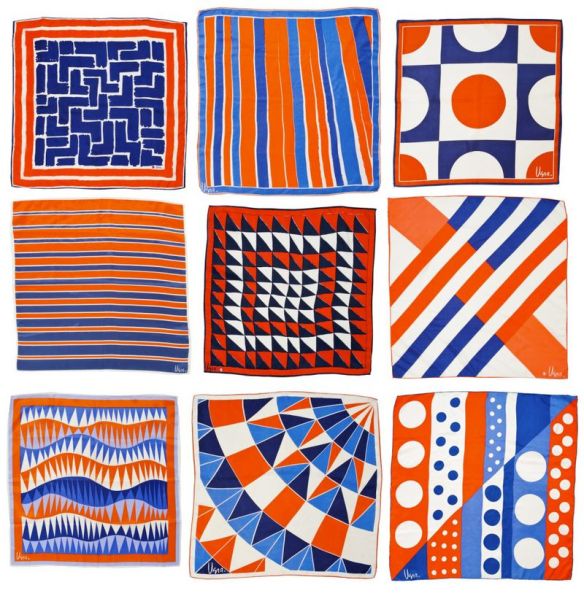
With a foundational belief that that fine art shouldn’t just be for the wealthy, Vera’s designs allowed ladies of all incomes to incorporate beauty into their everyday. They were an instant hit, and she amassed legions of fans, some famous (Grace Kelly, Marilyn Monroe) and most not.

Marilyn “wearing” a Vera scarf

An ever-increasing demand required that the couple move from their apartment to a larger facility. They got out of the city and bought a derelict mansion in Ossing, New York. The couple claimed four of the rooms for themselves and the rest became a studio and printing facility. Soon Vera was cranking out 500-600 designs a year.

Vera expanded into clothing design in 1960. Blouses and dresses were the creative offspring off the textile designs, with the scarves serving as the starting point for every design. Fun fashion fact: Perry Ellis started working for Vera in 1974 as merchandise manager, but soon moved into designing pieces for the line. He worked alongside Vera for three years before launching his own eponymous line.

Other interesting tidbits: Vera put prints on bedsheets before anyone else was. Another innovation? Limiting the number of colors on scarves to three or four to make them more outfit-friendly.

Tips for Identifying & Finding Veras…

It’s easy! Just look for her signature. The line’s branding changed subtly through the years, but it’s still pretty easy to spot her signature. Pictured below are some examples from the 1970s. (For more tips on identifying Vera designs, check out this comprehensive guide.)

Vera scarves on Etsy range from $7 to $52, depending on how rare the pattern is. It’s also an easy brand to look for at thrifts. My pal Andrea just picked up a mint condition Vera shift from the ’60s for $6 at the Bryn Mawr garage sales a few weekends back.

Getting familiar with the brand’s aesthetic and most-used colors and patterns will help up the odds of you being able to identify a Vera in a crowd. This Flickr page has a ton of examples of her designs. (The brand’s Tumblr is also a must-follow.)

xo,

Meghan

P.S. Click the photos to get to the original sources!

brand bias: pendleton woolen mills

Hi there, and happy Monday!

Today, here in Minneapolis, it’s snowing again. Yes. MORE SNOW. So, it’s seems like an appropriate day to share a little about an American brand that’s been a wintertime staple for more than 100 years.

Brand Name: Pendleton Woolen Mills

Years in business: 1889-present day

Headquartered: 20 NW Broadway, Portland, OR

12 Things You Should Know About Pendleton

 Pendleton has been hands-on managed by the same family for six generations. The business began in 1889, when Thomas Kay opened a woolen mill in Salem, Oregon. His daughter Fannie became his right-hand gal, learning the operation and management of the mill. When she married a retailer, Charles Pleasant Bishop, their skills complemented each other, profiting the business greatly. The current president, C.M. Bishop III, is the great-grandson of C.P. Bishop.

The family moved east to Pendleton, Oregon in 1909 to take over the idle, defunct Pendleton Woolen Mills. One of the first things they did, with financial support from the town, was build a larger and more efficient mill.

The mill soon resumed production of the Native-American blankets Pendleton was known for. Along with introducing new colors and patterns, the company also began trading with Native Americans in the Southwest, including members of the Navajo, Hopi, and Zuni tribes. The blankets were not only basic apparel, but were standards of trading and ceremonial use.

With the takeover, the family also changed the construction of the mill’s Indian blankets, making the rounded corners square. Pendleton round corner blankets are highly coveted by vintage Indian blanket collectors. Here are some examples of the Chief Joseph blanket, named for the Nez Pierce leader.

As the company grew, so did their product line. In 1924, one of Fannie and Charles’ sons, C.M., started a line of men’s woolen sport shirts in bright colors and patterns. Prior to that time woolen shirts had been considered work shirts and came in drab colors. By 1929 the company was producing a full line of woolen sportswear.


During World War II, Pendleton churned out blankets, uniforms and clothing for the U.S. Armed Forces.

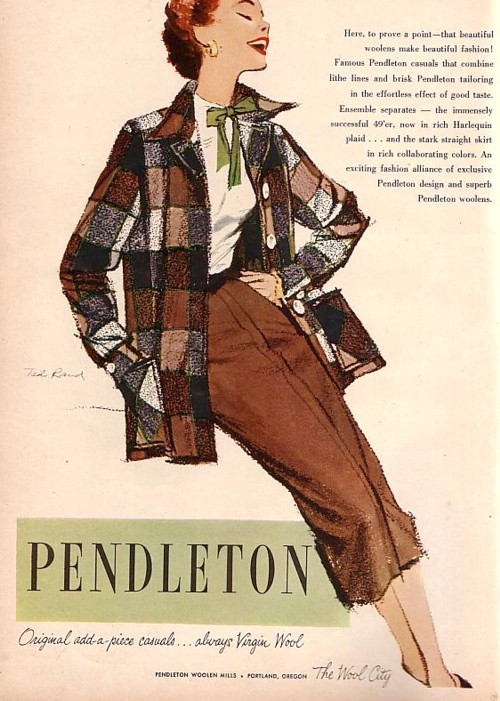
After postwar market research showed a desire for women’s sportswear, the company introduced a line of wool sportswear for gals. The 49er jacket and their reversible pleated skirt were two of their most popular items. Here’s an ad for the 49er jacket from 1953.

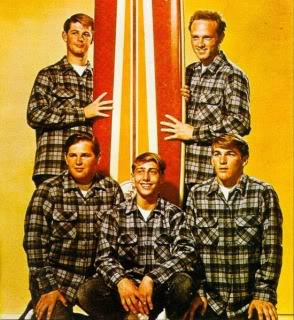
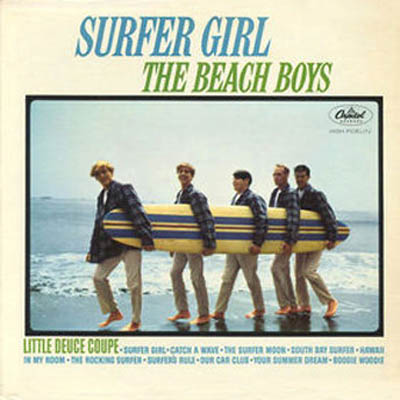
 In 1960, a  singing group known as the Pendletones formed, taking their name from the classic Pendleton wool plaid shirt. The group later changed their name to The Beach Boys. The band favored the Umatilla shirts, and wore them on album covers, sparking teens around the country to follow suit.

 1960s girl group, The Majorettes, had a hit with this jam, “White Levis, Tennis Shoes, Surfin’ Hat and A Big Plaid Pendleton Shirt.” I dig it.

In 1972, Pendleton came out with a line of non-wool clothing, to fulfill the demand of customers looking for Pendleton-esque styles that wouldn’t leave them sweltering in the summertime.

In an attempt to introduce the brand to a new generation, Pendleton’s paired up with a variety of brands and designers, including Hurley, Opening Ceremony, Levi’s and Worksman Cycles. Here are some looks from the fall/winter 2010 line they produced in collaboration with Opening Ceremony. (You can shop the line here.)

Peep this bicycle made by Worksman Cycle, featuring the Chief Joseph pattern on the frame and fenders! This baby is available here only.

I find Pendleton’s clothing frequently at thrifts in both the men’s and women’s section. Common areas to spot items are in the blazer or jacket section, or with the suits. Their labels look like this. Since most Pendleton items are wool, look the garments over carefully for moth holes and stains.

I hope you all liked learning a little bit about this brand! Curious about a brand you spot a lot at the thrift? Shoot me an email at hpthrifter@gmail.com and let me do the detective work. I hope you all have wonderful days!

xo,

Meghan

P.S. Curious about a photo source? Click the image!

brand bias: rockmount

Howdy!

I’m pleased to introduce you all to a new feature on the blog called Brand Bias. As a true vintage-loving dork, I’m often curious about the brands I stumble across at thrifts, and love to do some digging to learn about them. Brand Bias is a result of that digging…I’ll highlight vintage brands that can frequently be spotted in thrift shops and share little tidbits of their history and fashions that I find interesting. Today, I’m kicking it off with an iconic brand based right here in the U.S. of A.

Brand name: Rockmount Western Wear Manufacturing Company

Years in business: 1946-present day

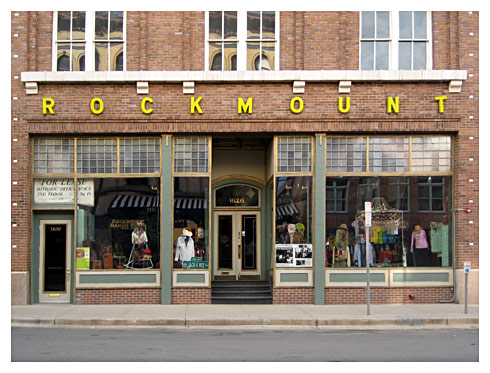
Headquartered: 1626 Wazee Street, Denver, Colorado

10 Things You Should to Know About Rockmount

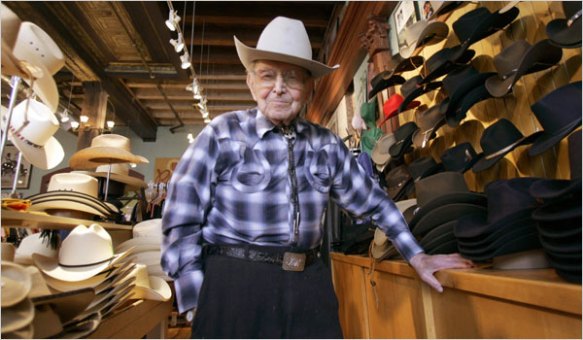
Rockmount is a family run company, founded in 1946 by a former garter salesman named Jack Weil, also known as Papa Jack.

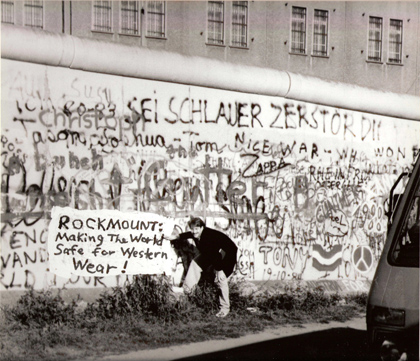
Papa Jack and his wife Beatrice, had two children and five grandchildren—all whom worked at the company at some point. His grandson, Steve Weil, now runs the operation. Here’s Steve spray painting the Berlin Wall in 1988.

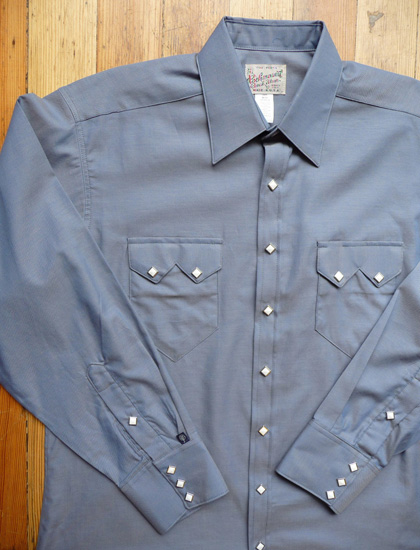
Papa Jack was the first person to put snaps on Western shirts. 17 of them, to be exact. The fitted tailoring of a Rockmount shirt, along with the shoulder-broadening yokes, and of course, those pearly snaps, appealed to cowboys’ sense of practicality (no buttons to sew on) and the desire for flash.

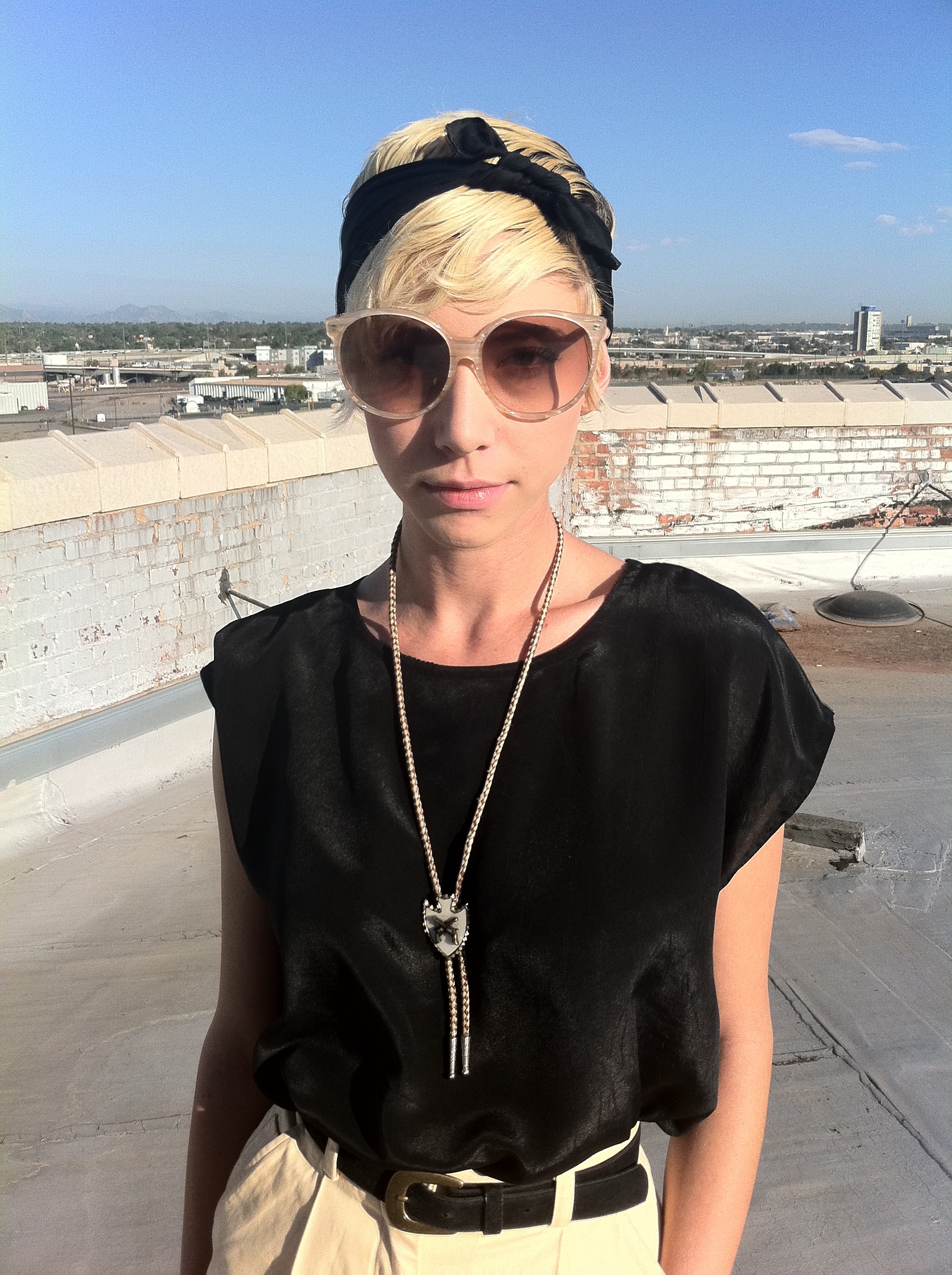
Many sources also credit Rockmount with being the first company to produce bolo ties commercially. What’s a bolo? It’s a necktie made of cord with a decorative slide. The ever-stylish Zoe, of Haiku Ambulance, rocks them frequently.

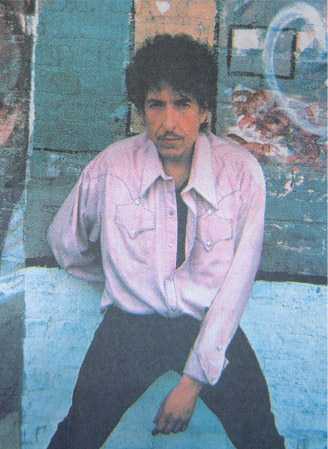
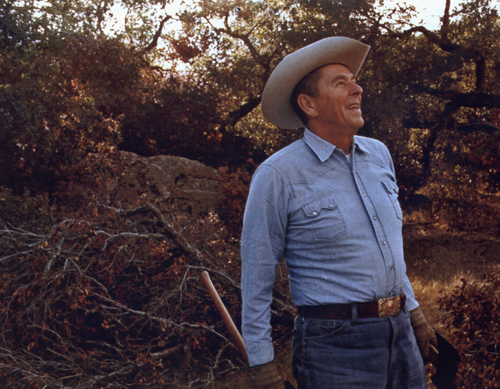
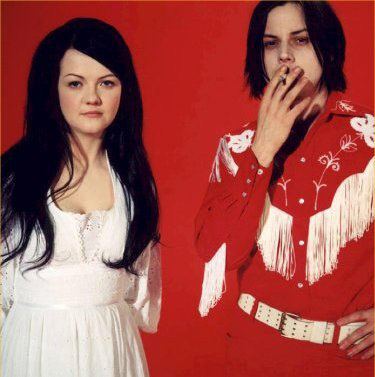
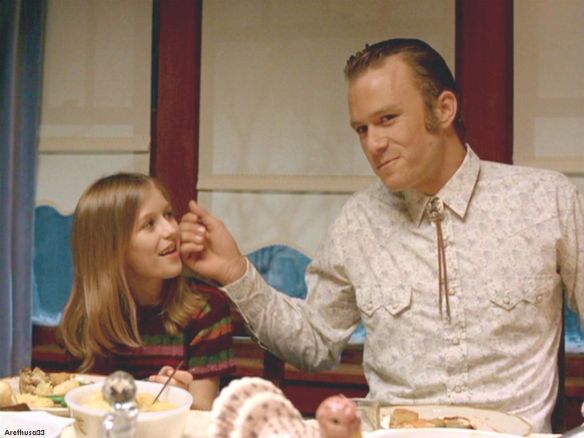
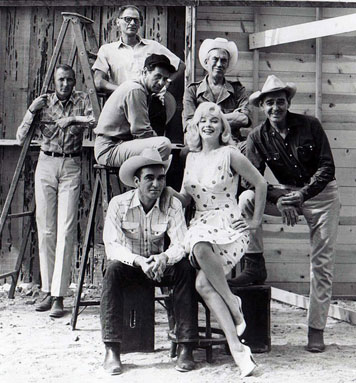
Rockmount shirts have been worn proudly by many famous actors and musicians, both in real life, and on screen and on tour.

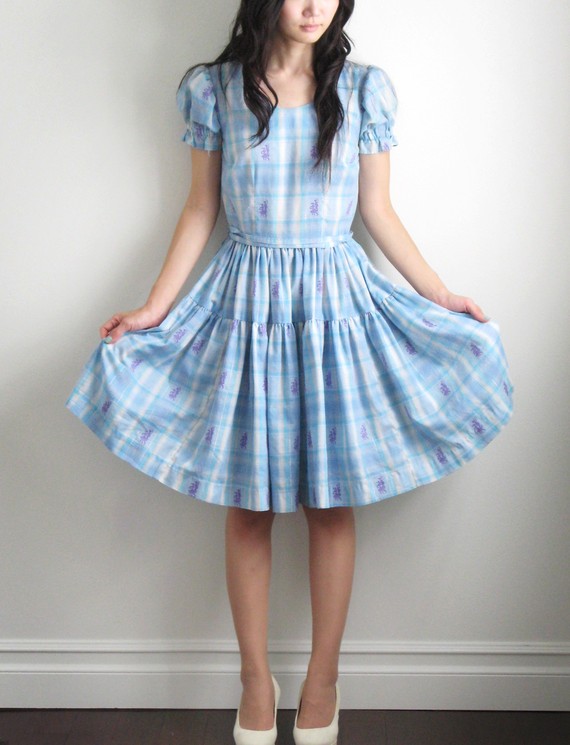
Not too long after the company’s inception, Rockmount branched out from bolos and shirts, and began making blouses, Stetson-style hats, skirts, scarves, jackets…even dresses.

Vintage Sky Blue Plaid Western Girl Dress, $59, The Tailor Stories

Although frequently harassed by Sam Walton about supplying his stores with shirts, Weil refused. He considered the Wal-Mart founder to be a “hillbilly son of a bitch,” and also was reluctant to have any one customer take more than five percent of his business.

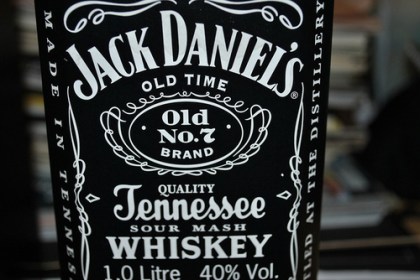
Papa Jack was regularly called the oldest working CEO, as he went to work everyday from 8-12 until just before his death. He credited for his longevity to quitting smoking (at the age of 60), drinking (at 90), eating red meat (at 100). That said, he still enjoyed two shots of Jack a week, “for medicinal purposes.”

Weil died in 2008  at the age of 107. In announcing the death, his grandson, Steve, said Mr. Weil was to Western shirts what Henry Ford was to cars, and, indeed, the global spread of cowboy style owes much to him.

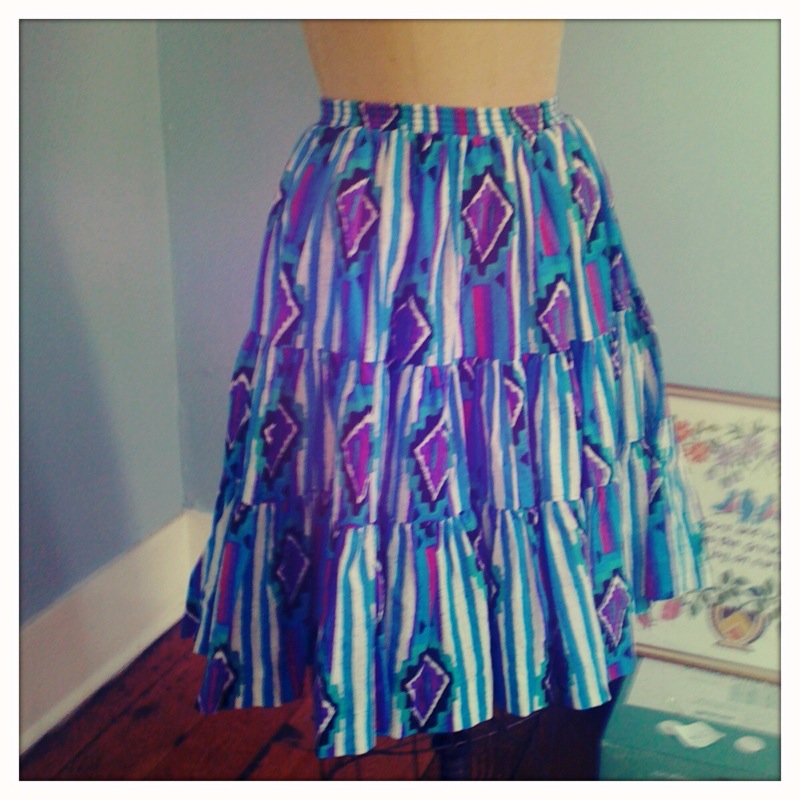
It’s not uncommon to find vintage Rockmount at thrift shops. Just last week I found this ’80s skirt in a Goodwill in Elk River.

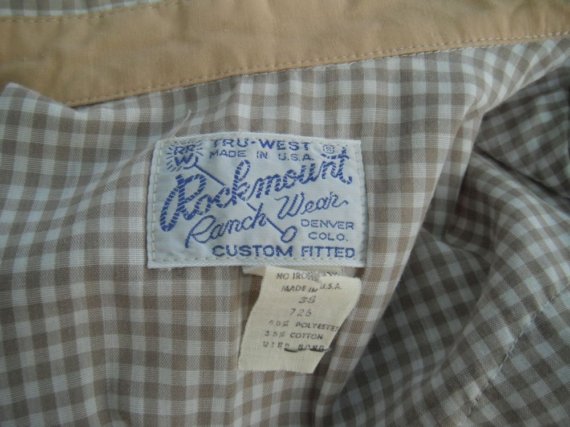
Look for plaids, snap-front shirts, tiered skirts and dresses. The brand’s tags look like this…

I hope you enjoyed learning a bit about this important American brand. I personally am a huge fan of vintage Western wear, and it was fun to dig up some info on the company that basically started it all. If you have brands you’re curious about, please let me know!

I hope you all have lovely Saturdays. I’m off to hit up a new-to-me thrift in St. Paul Park! Wish me luck!

xo,

Meghan

P.S. Curious about a photo source? Click the image!